
Philodendron Pink Princess Care Guide: Light, Water, Soil & Common Problems
Learn how to care for Philodendron Pink Princess with practical tips on light, watering, humidity, soil, fertilizer, propagation, and troubleshooting common issues.
Philodendron Pink Princess Care Guide
Philodendron Pink Princess (Philodendron erubescens 'Pink Princess') is prized for bold pink variegation and climbing growth. With the right light and watering rhythm, it can stay healthy and keep producing colorful leaves.
Quick answer: Provide bright indirect light, allow the top 1–2 inches of soil to dry between waterings, and use a chunky aroid mix with moderate-to-high humidity.
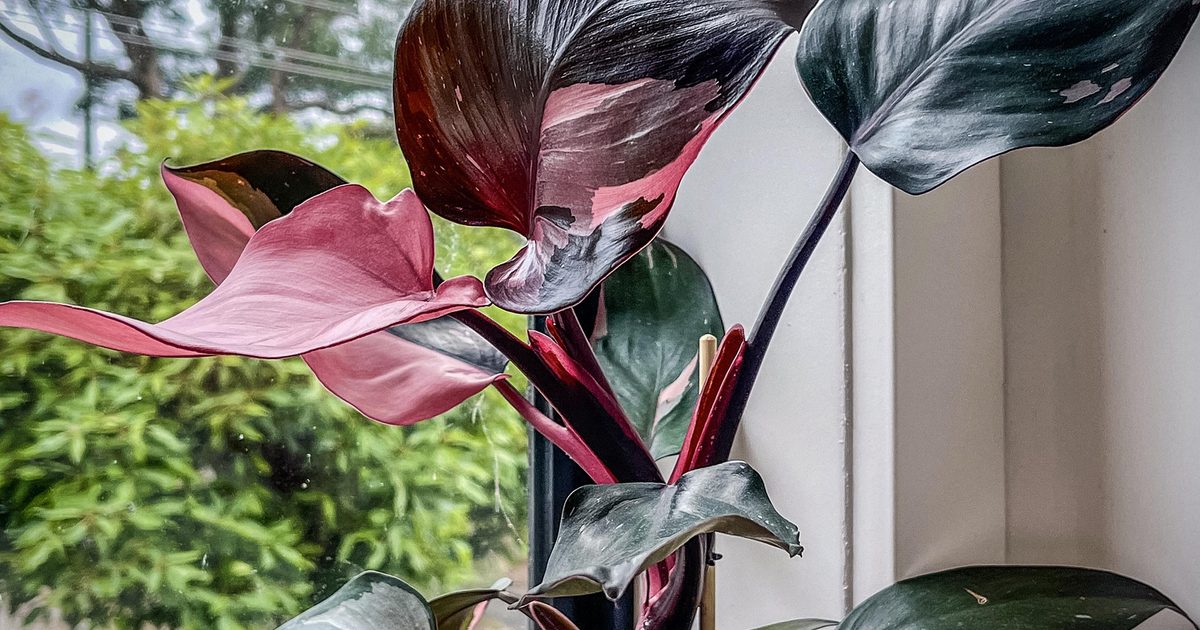
Plant Snapshot (At a Glance)
- Botanical name: Philodendron erubescens 'Pink Princess'
- Common names: Pink Princess Philodendron
- Plant type: Climbing tropical aroid
- Native range: Cultivar (species origin in tropical Americas)
- Difficulty: Intermediate
- Pet safety: Toxic to pets
- Best placement: Bright indirect light near a support pole
Light Requirements
Pink Princess thrives in bright, indirect light.
- Ideal: bright room near east window or filtered south light
- Tolerates: medium light, but variegation may reduce
- Avoid: harsh direct sun that burns pink tissue
Signs your light is off
- Too much light: pale or scorched leaves
- Too little light: smaller leaves, more green reversion
Watering (How Often to Water Pink Princess)
Water when the top 1–2 inches of soil are dry.
- In spring/summer: typically every 6–10 days
- In fall/winter: reduce frequency
- Always: water thoroughly and drain excess
Avoid overwatering: Wet roots can quickly trigger yellowing and rot.
Humidity & Temperature
Pink Princess prefers:
- Humidity: 50–70%
- Temperature: 65–80°F (18–27°C)
Higher humidity helps leaf unfurling and overall vigor.
Best Soil & Pot Type
Use a chunky, breathable aroid mix.
Recommended Mix
- 40% potting mix or coco coir
- 30% orchid bark
- 20% perlite/pumice
- 10% worm castings or charcoal (optional)
Pot: Use drainage holes.
Fertilizer Schedule
Feed in growing season:
- Balanced liquid fertilizer at 1/2 strength
- Every 3–4 weeks in spring/summer
- Reduce in winter
Repotting
Repot every 12–24 months or when rootbound.
Best done in spring before active growth peaks.
Pruning & Grooming
- Prune reverted or leggy stems to encourage fuller growth
- Wipe leaves regularly
- Use a moss pole for larger, healthier leaves
Propagation
Best method: stem cuttings with a node and aerial root.
Steps
- Cut below a healthy node
- Root in water, moss, or airy mix
- Keep warm and humid
- Pot up once roots are well-established
Common Problems (and Fixes)
Brown Edges
Likely cause: Low humidity or inconsistent watering
Fix: Increase humidity and stabilize watering rhythm.
Yellow Leaves
Likely cause: Overwatering
Fix: Let mix dry more between waterings and check root health.
Reverting to Green
Likely cause: Low light or stem genetics
Fix: Increase bright indirect light; prune selectively to nodes with pink variegation.
Pests (Spider Mites, Thrips, Mealybugs)
Likely cause: Dry indoor conditions or nearby plants
Fix: Isolate and treat weekly until clear.
Is Philodendron Pink Princess Toxic to Pets?
Yes. Philodendrons are toxic if ingested.
Safety note: Keep away from pets and children.
FAQ
Why is my Pink Princess turning green?
Most often from insufficient light, though some stems naturally produce less pink.
Can I increase pink variegation?
Strong indirect light and selective pruning can help, but genetics still play a role.
How often should I repot Pink Princess?
Usually every 1–2 years when roots outgrow the container.
Related Care Guides
- Pink Princess Propagation: Node-by-Node Guide for Better Success
- Pink Princess Soil Mix: Best Aroid Blend + Ratios
- Beginner Exotic Houseplants That Still Look Rare (2026)
Final Thoughts
Pink Princess rewards attentive care. Prioritize bright filtered light and stable watering, and you’ll get stronger growth with better color over time.
Exotica Botanica – your trusted source for rare houseplant care guides, tips, and tools.